Those white flakes catching in a dark beard are one of the most common things men deal with — and one of the most misunderstood. Most of the time it isn't a scalp problem that wandered south. It's dryness, and dryness has a routine that helps.
What People Call "Beardruff" Is Usually Just Dryness
Facial skin under a beard behaves differently than the scalp. Beard hair traps heat and moisture against the skin, and it also traps whatever strips that moisture away — regular bar soap, hot water, harsh shampoo not meant for facial hair. When the skin underneath dries out, it flakes. Combined with coarse or curly beard hair holding onto that dead skin instead of shedding it, those flakes become visible fast.
If the flaking comes with real redness, swelling, or persistent irritation, that's outside what a grooming routine addresses — a dermatologist can tell you what's actually going on with your skin.
Why It Happens
- Washing with regular shampoo or bar soap. These are formulated to strip oil from scalp hair, which is a different job than facial skin needs.
- Overwashing. Daily washing with anything too harsh removes the oils that keep skin comfortable.
- Skipping moisturizer after washing. Clean skin without a follow-up oil dries out fast, especially in low humidity.
- Not reaching the skin, only the hair. Product applied to the surface of the beard never gets where dryness actually starts.
A Routine That Actually Helps
1. Wash with something made for a beard, not your scalp
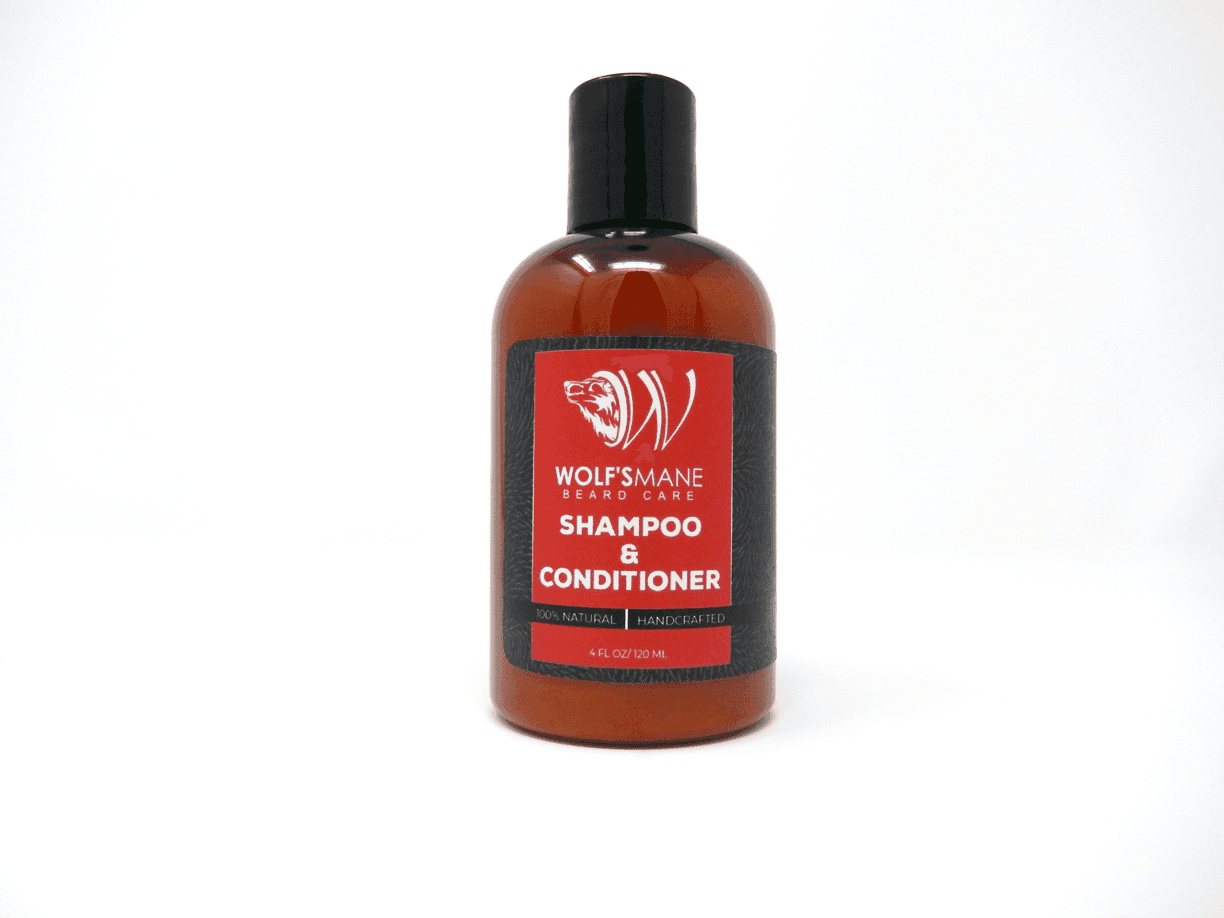
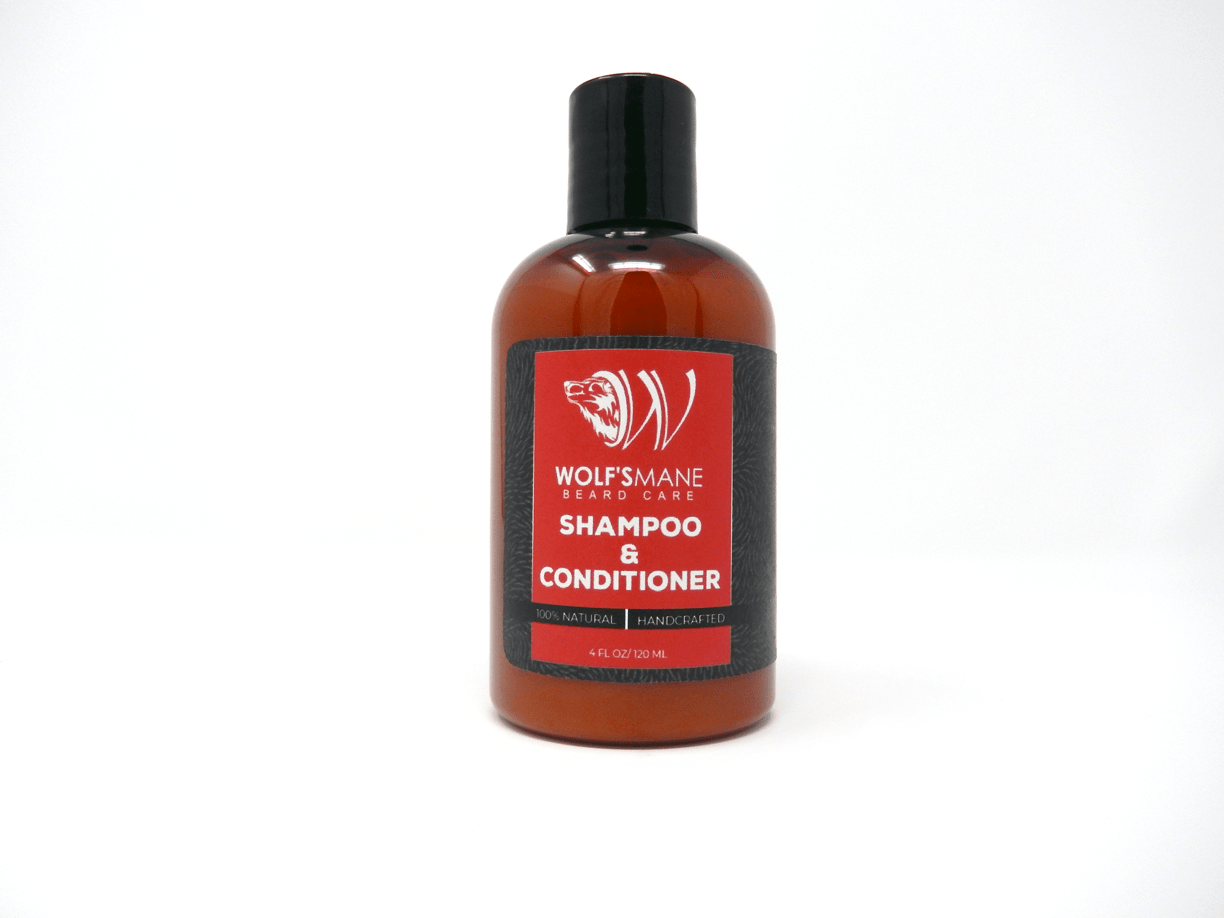
Wolf's Mane Shampoo & Conditioner is built around an African black soap base with jojoba oil, vitamin E, apricot kernel oil, hemp seed oil, grape seed oil, olive oil, peppermint oil, and eucalyptus oil — no sulfates stripping the beard bare. Two to three washes a week is plenty for most men; every day is usually more than the skin needs.
2. Moisturize while your beard is still damp
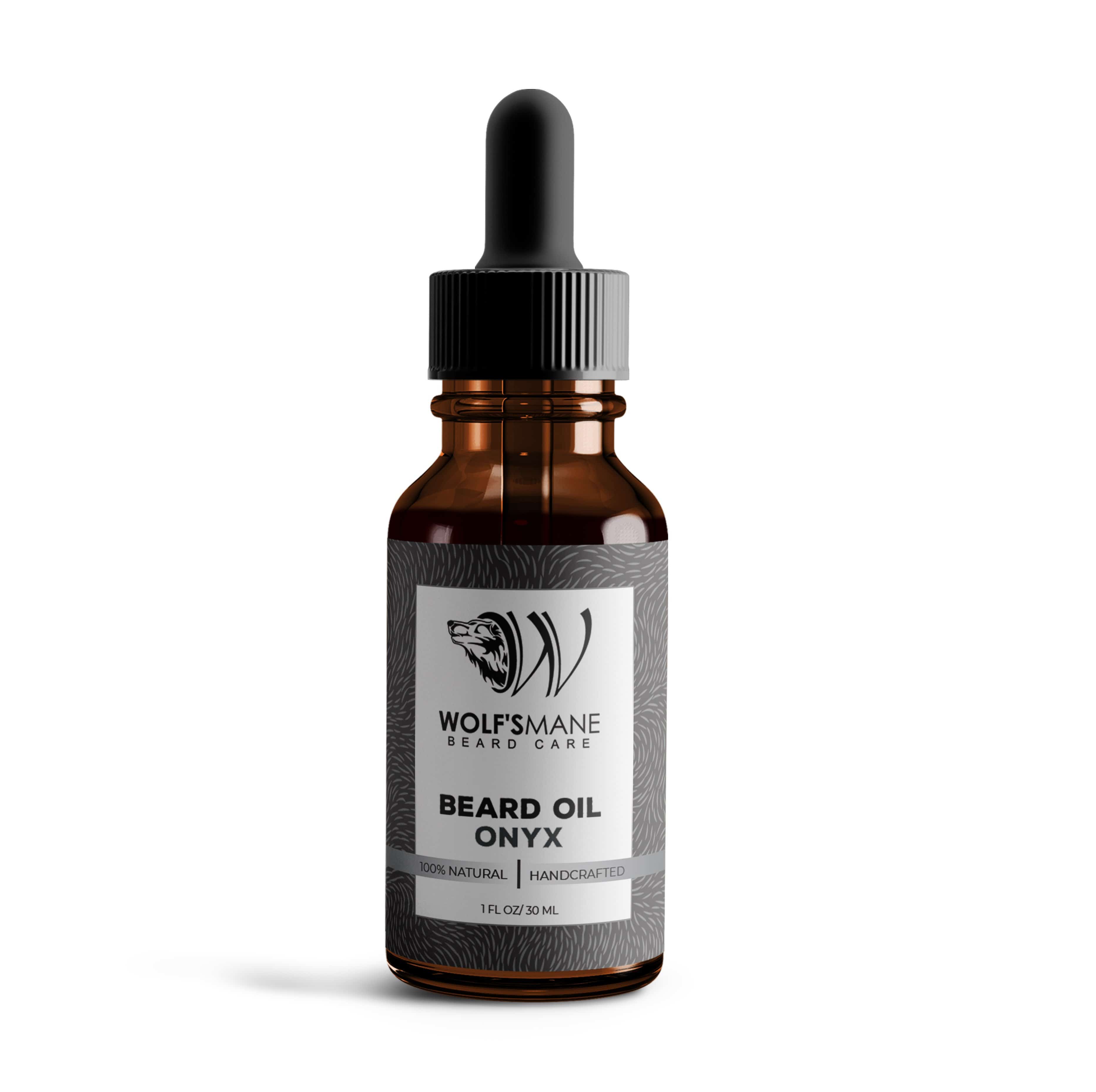
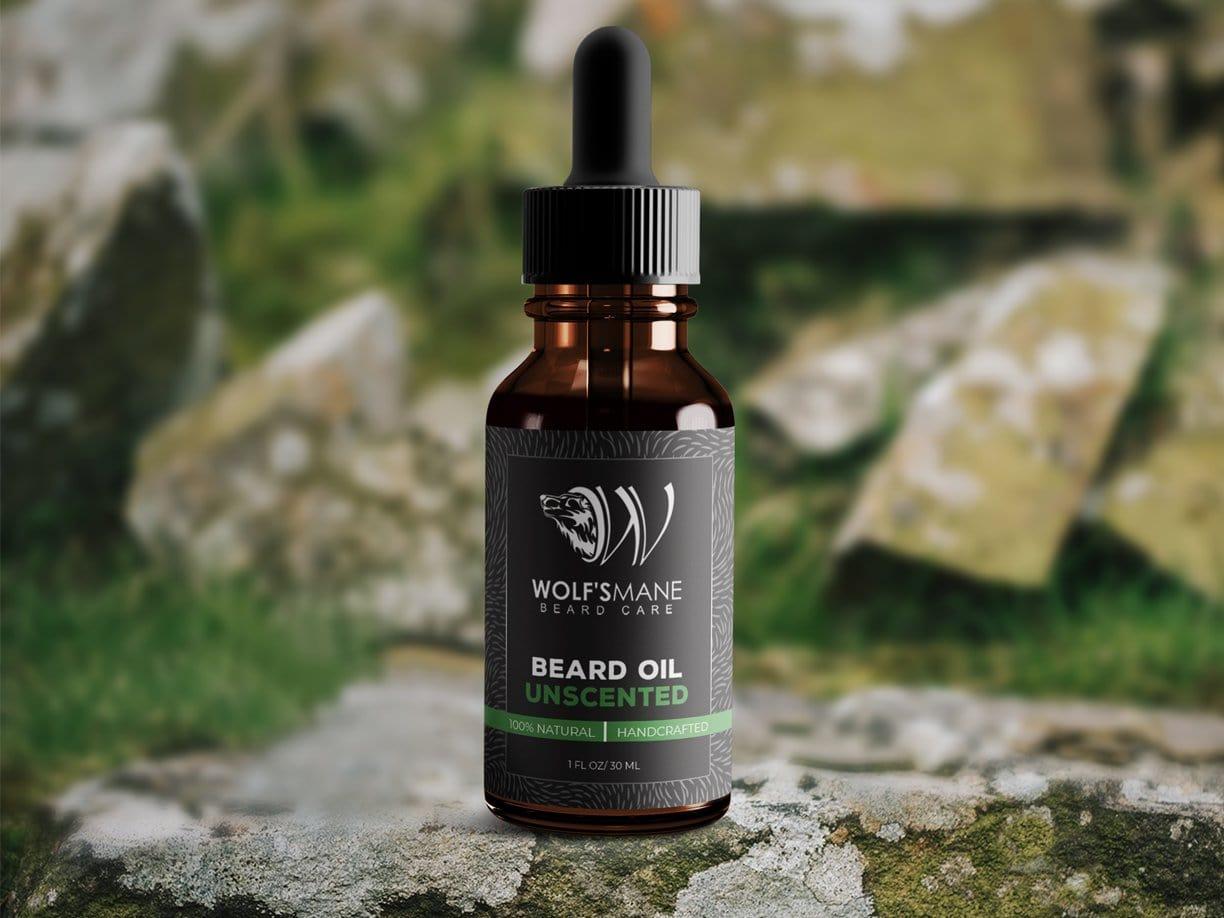
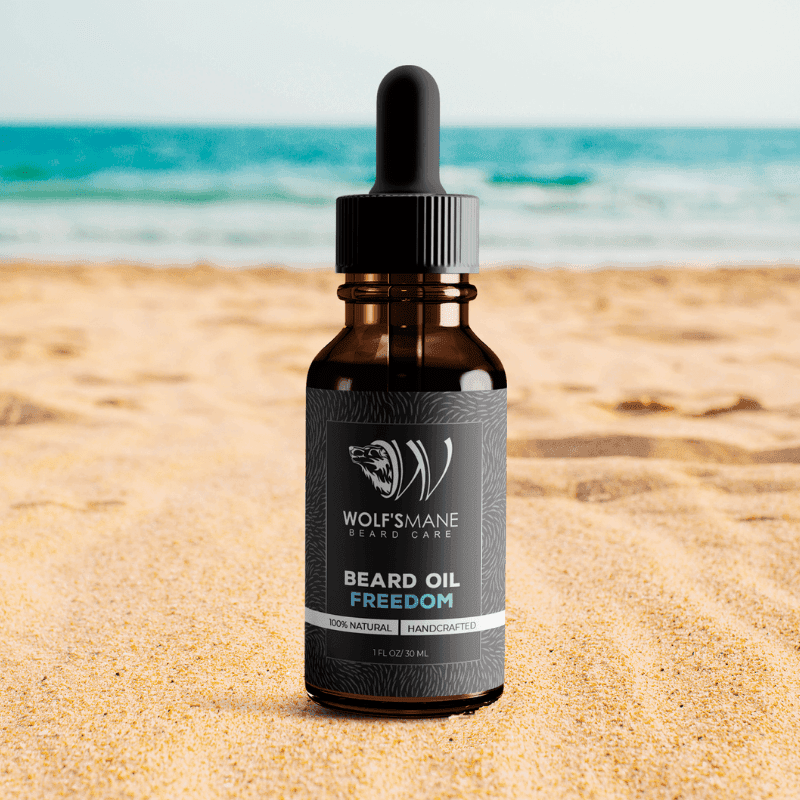
Right after washing, while pores are open, work a few drops of beard oil into the skin underneath — not just over the hair. Jojoba oil is close in structure to the oil skin already produces, which is why it's the base of every Wolf's Mane oil, alongside vitamin E, apricot kernel, hemp seed, grape seed, and olive oil.
3. Work it into the skin, not just the hair
Use your fingertips to massage the oil down to the skin first, then comb or brush through to distribute it evenly and keep hair moving in one direction.
4. Give it time
Skin doesn't reset overnight. Stick with a routine for a couple of weeks before judging whether it's working — and if flaking, redness, or discomfort stick around beyond that, that's worth a conversation with a professional rather than another product.
What's Actually Driving It
| Beard type | What's usually going on | What helps |
|---|---|---|
| Coarse or curly | Dead skin gets trapped longer in dense, curved hair | More frequent gentle brushing, oil worked into the skin daily |
| Straight or fine | Skin dries out fast with no hair layer to hold moisture | Lighter oil application, avoid over-washing |
| Any type, dry climate/winter | Low humidity pulls moisture from skin and hair alike | Daily oil, consider a humidifier indoors |
Beardruff vs. Seborrheic Dermatitis
Most flaking in a beard is ordinary dryness — the kind this routine addresses. Seborrheic dermatitis is a separate, medically diagnosed skin condition that can also affect the beard area, usually showing up as flaking combined with noticeable redness, greasy-looking scales, or persistent itching that doesn't improve with a gentler wash and oil. If that description fits what you're seeing, it's worth a conversation with a dermatologist rather than assuming it's the same simple dryness covered here.
Why a Dandruff Shampoo Isn't the Answer
Standard dandruff shampoo is formulated for the scalp, often with stronger active ingredients than facial skin needs. Using it on a beard can leave the skin underneath more irritated than it started, which is the opposite of what you want. A beard-specific wash cleans without that harshness, which is why it's the better starting point even when the flaking looks the same as scalp dandruff.
Exfoliation Helps More Than People Expect
Dead skin cells that build up under a beard are a big part of what makes flaking visible. A gentle exfoliation once or twice a week — using a soft washcloth in circular motions while washing, rather than a separate harsh scrub — helps clear that buildup before it turns into visible flakes. Pair this with the daily oil routine above rather than using it as a replacement for moisturizing.
FAQ
Is beardruff the same as scalp dandruff?
Not usually. Scalp dandruff is its own condition with its own causes. What shows up in a beard is more often simple dryness from washing habits and lack of moisturizing — a different problem with a different fix.
How often should I wash if I'm dealing with dry flakes?
Two to three times a week with a beard-specific wash is the usual starting point. Washing daily, especially with regular shampoo or soap, tends to make dryness worse, not better.
What if it doesn't improve?
Give a consistent routine a couple of weeks. If flaking, redness, or irritation persists past that, see a dermatologist — that's outside what grooming products are meant to address.