Every beard product on the market implies it can change how much or how fast facial hair comes in. Almost none of that is true, and it's worth knowing what's actually genetic versus what's within your control.
What Actually Determines It
Density, thickness, and pattern are set almost entirely by genetics and hormones — the same factors that determine hair color and texture. Family patterns are a reasonable predictor: if the men in your family tend toward thick, even coverage or toward patchier, thinner coverage, that's the range you're likely working with too. No product changes that underlying pattern.
Give It Real Time Before Judging It
Facial hair comes in unevenly at first almost universally — patchy spots, different lengths across the face, and slower coverage along the cheeks are all normal in the early weeks. Four to six weeks is the minimum before you can judge what you're actually working with, and some areas keep filling in gradually over several months as individual follicles mature at their own pace.
Patchiness Is Usually Just Genetics
For most men, thinner or patchier areas — commonly along the cheeks — are simply how their pattern comes in, the same way some men have thicker eyebrows than others. It's not a sign anything is wrong, and it's not something a topical product changes. Some patchiness fills in more as men get older into their twenties; for others, it's a permanent part of their pattern. Both are normal.
What You Can Actually Control
None of it is about changing the underlying pattern — it's about keeping what comes in looking its best instead of working against it.
- Keep the skin underneath healthy. Dry, irritated skin makes existing hair look worse and can make trimming and shaping harder to judge accurately.
- Avoid damage. Excessive heat styling, harsh shampoo stripping natural oils, and over-trimming can all make existing hair look thinner or more worn than it needs to.
- Moisturize consistently. Beard oil conditions the hair and skin you already have — it softens texture and reduces the dry, wiry look that makes thinner areas more noticeable, but it isn't changing what's underneath the skin.
- Be patient with shaping. Trimming too early or too aggressively before a pattern has fully come in can accentuate uneven areas rather than disguise them.
Being Honest About What Products Do
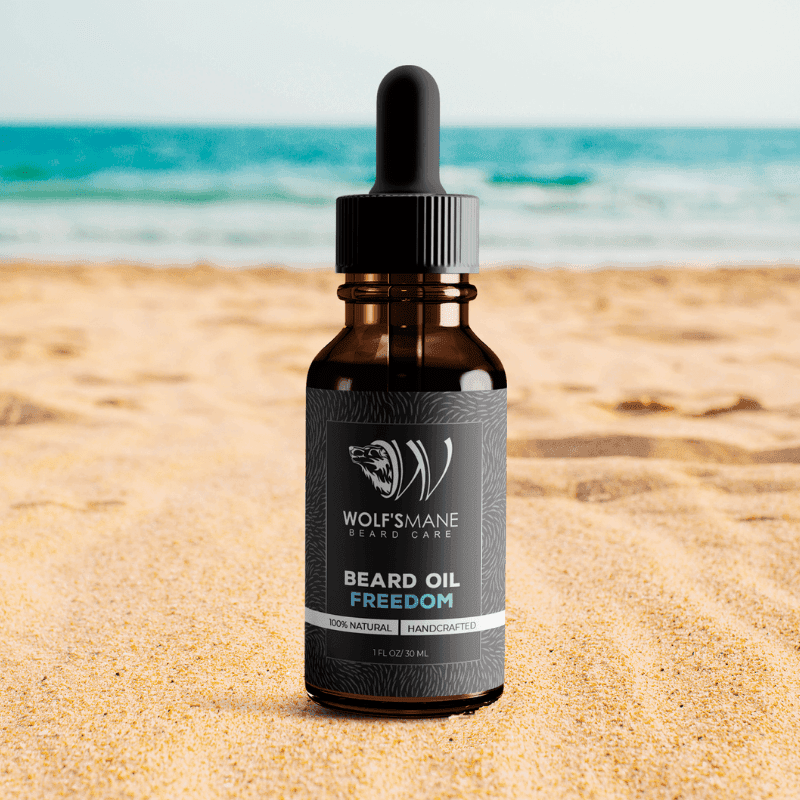
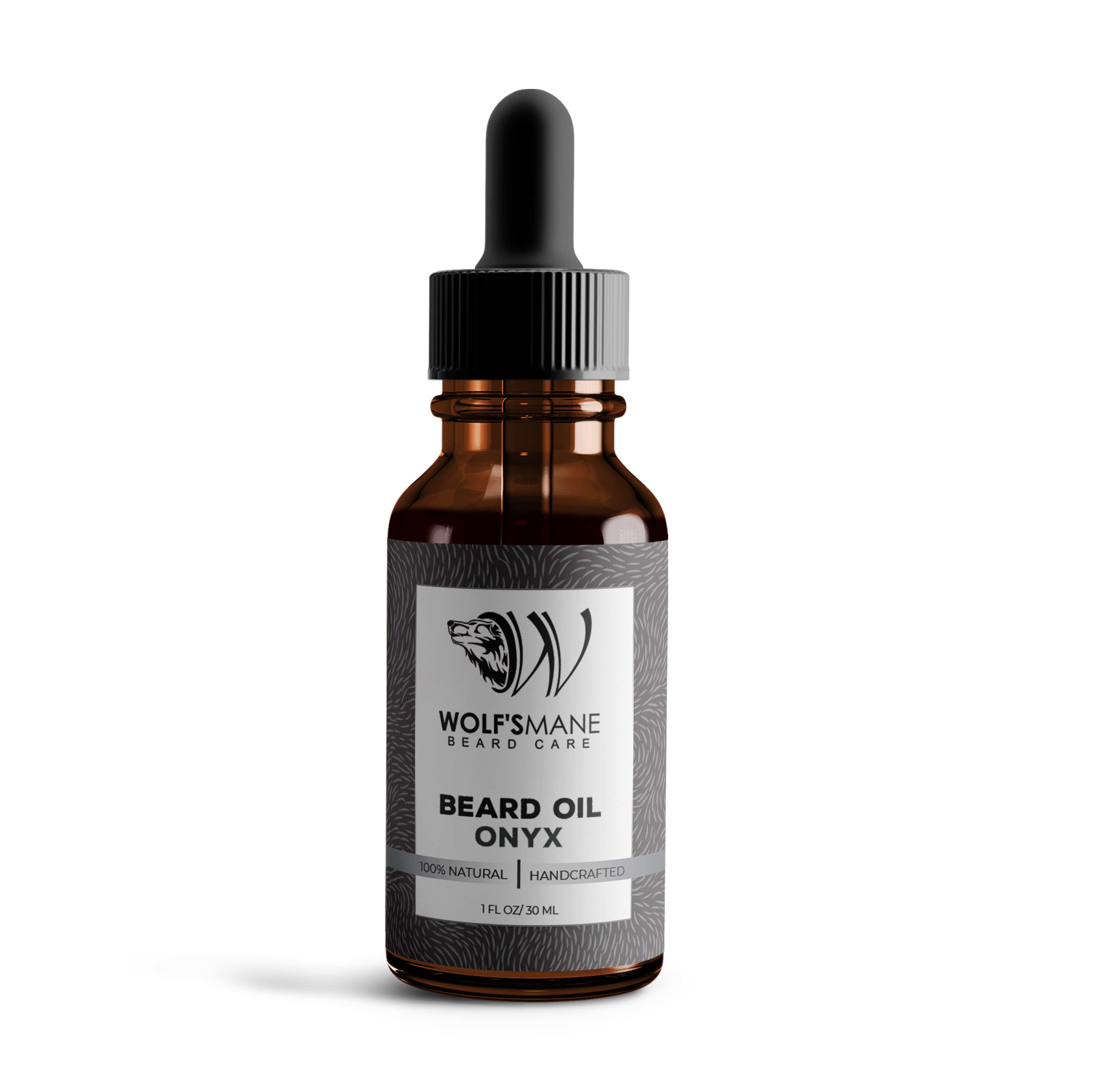
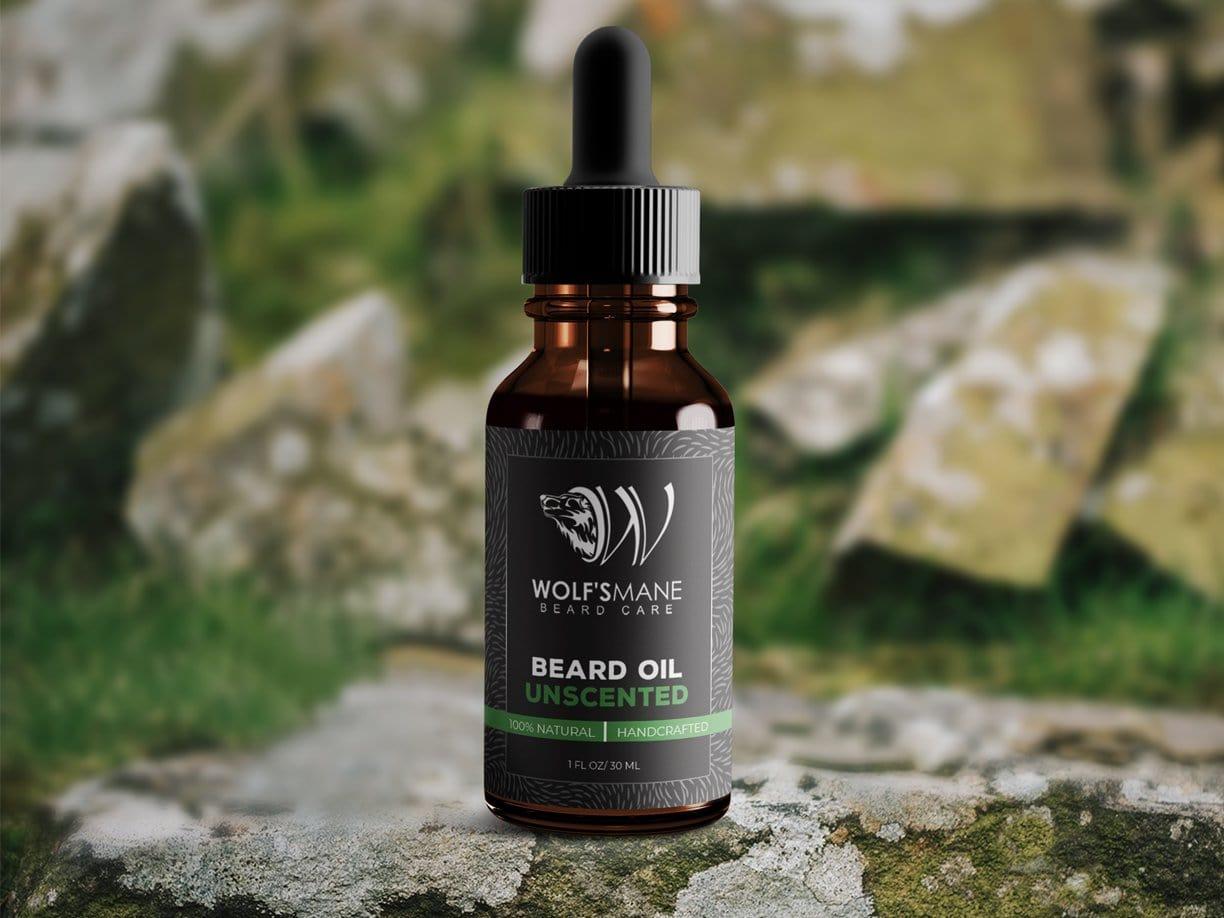
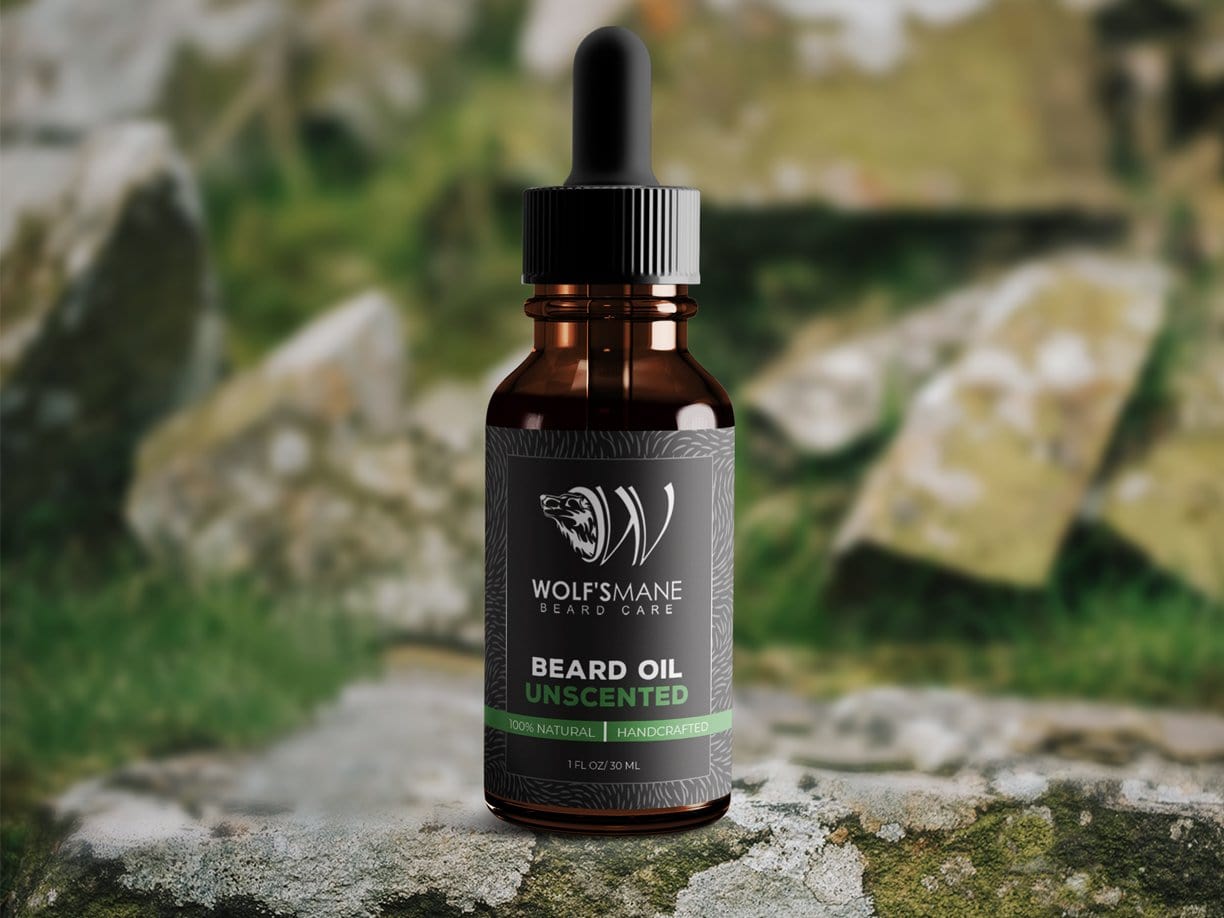
Wolf's Mane oils and balms condition the hair and skin you already have — softening texture, reducing dryness, and helping a beard look and feel its best. That's a real, meaningful difference in how a beard presents day to day. It's a different claim than affecting how much facial hair comes in, and it's worth being direct about that distinction.
The Hormonal Side of the Pattern
Testosterone and its derivative DHT are among the hormonal factors that influence how a beard's pattern develops — how thick it is, where it fills in first, and how coarse the hair texture is. This is genuinely part of the biology, but it's not something a topical product interacts with. Hormone levels are determined internally, and no beard oil, balm, or wash reaches that system. If you're curious about your own hormonal factors specifically, that's a conversation for a doctor, not a grooming routine.
Beard Genetics Run in Families
Family pattern is one of the more reliable ways to get a rough sense of your own likely outcome. If the men in your family tend toward a particular density, fill pattern, or texture, that's a reasonable starting expectation for your own beard genetics — not a guarantee, but a meaningful data point that no product changes.
FAQ
Does beard oil make facial hair come in thicker?
No — oil conditions the hair that's already there, making it softer and easier to manage. What comes in is set by genetics and hormones, not by any topical product.
Why is my beard patchy?
Most patchiness is simply genetic pattern, the same as any other hair characteristic. It's common, especially in younger men, and some patterns fill in more over time while others stay consistent — both are normal.
When is patchiness worth talking to a doctor about?
If you notice sudden or unusual hair loss, distinct bald patches with a different texture than the surrounding skin, or changes that seem unrelated to your usual pattern, that's worth a conversation with a doctor rather than a product change.