Jojoba oil shows up on almost every beard product label, including ours — but "it's natural" doesn't actually explain what it's doing in the bottle. Here's the real reason it's the base of every Wolf's Mane beard oil.
It Isn't Technically an Oil
Jojoba oil is a liquid wax ester pressed from the seed of the jojoba shrub, not a true oil the way olive or coconut oil are. That distinction matters for a beard: true oils sit on top of hair and skin, while jojoba's structure is close to the wax esters your own skin already produces as sebum. It absorbs instead of coating, which is why a beard oil built around it tends to feel light rather than greasy.
What That Means for Your Beard and the Skin Underneath
Because jojoba's structure resembles skin's natural oils, it spreads evenly through beard hair and down to the skin without leaving the heavy, slicked-down look that thicker oils can cause. It's also non-comedogenic, meaning it doesn't clog pores the way some heavier carrier oils can, which matters for the skin under a beard where irritation shows up fast.
None of that makes it a treatment for a skin condition — it's a carrier oil, not a drug. If you're dealing with persistent irritation, redness, or flaking, that's a conversation for a dermatologist, not a product choice.
Why It's the Base Oil in Wolf's Mane Products
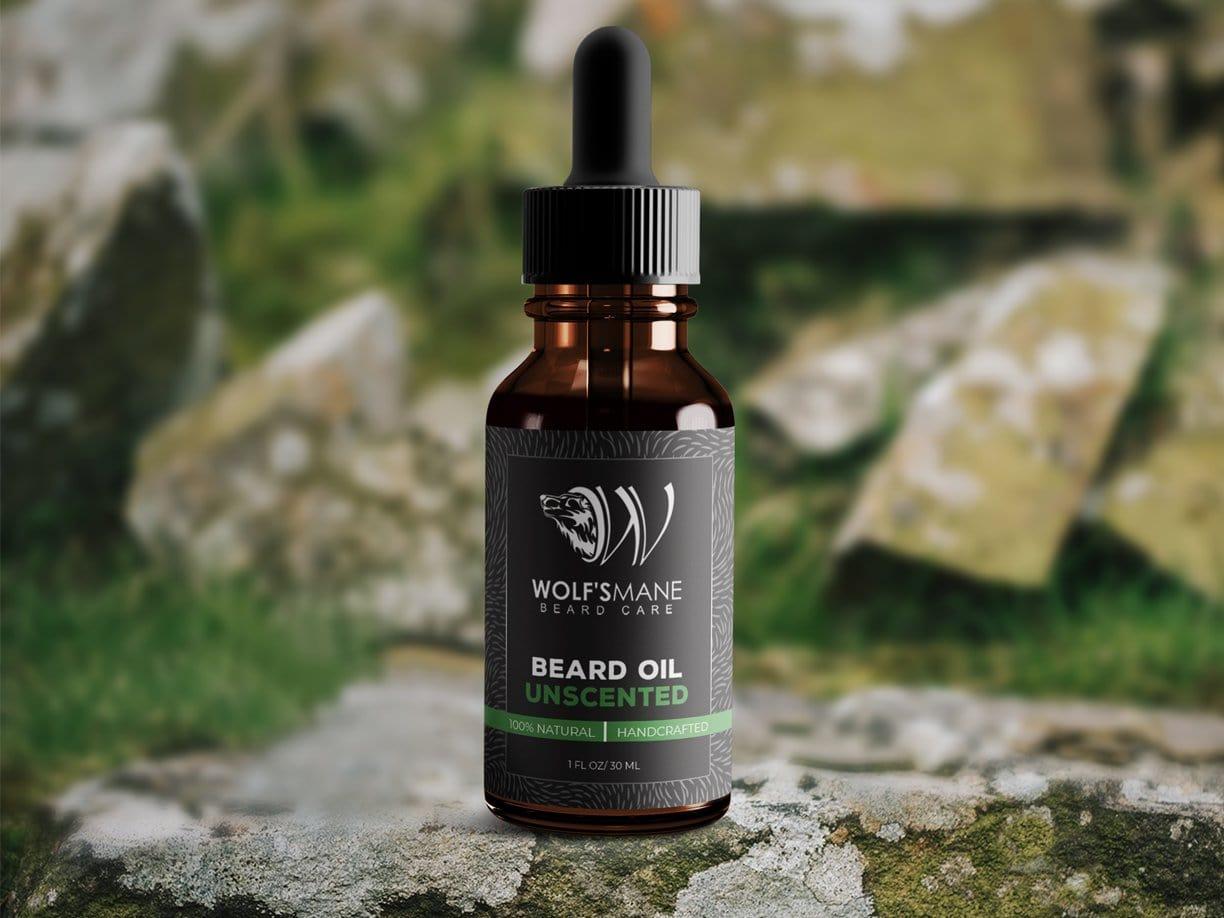
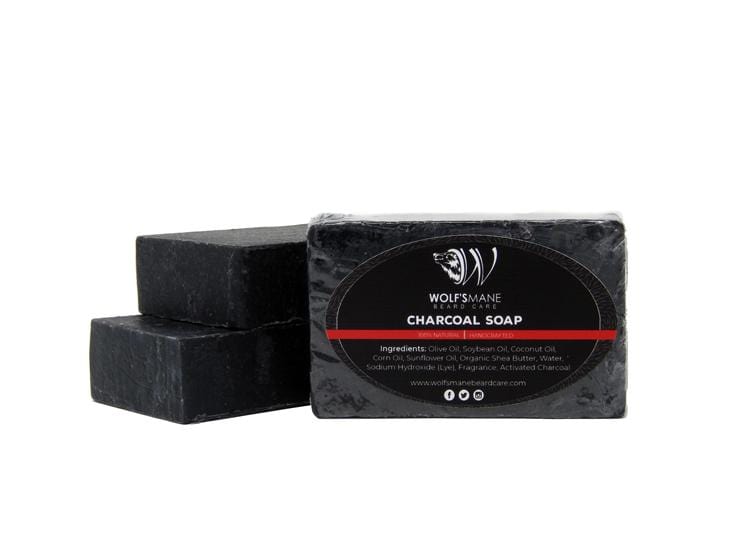
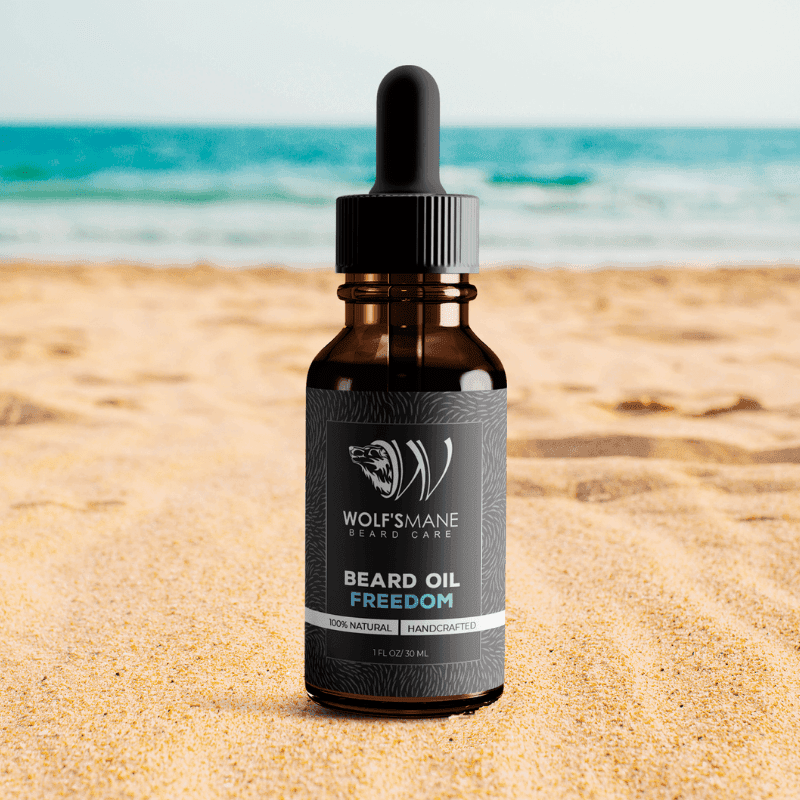
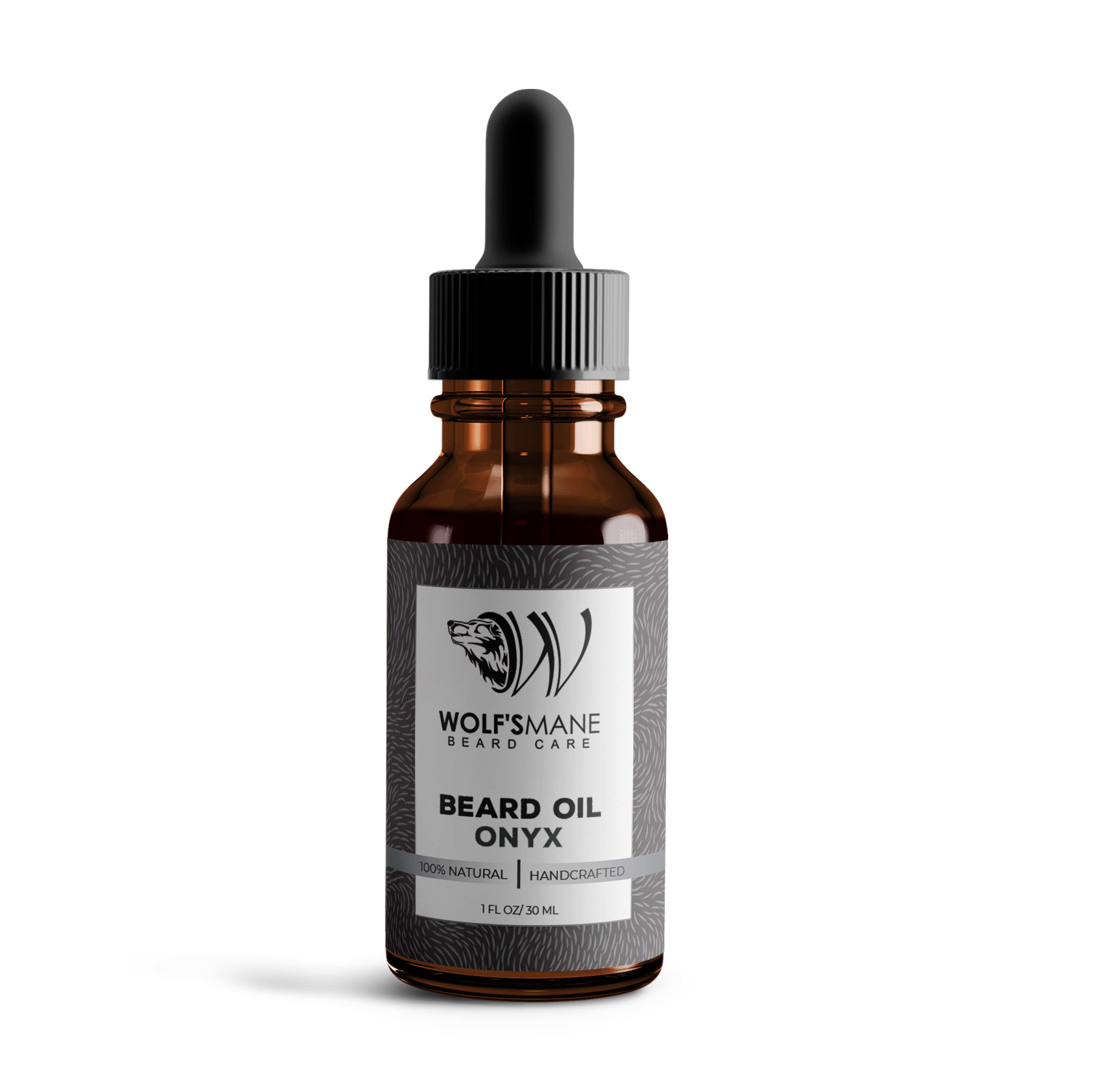
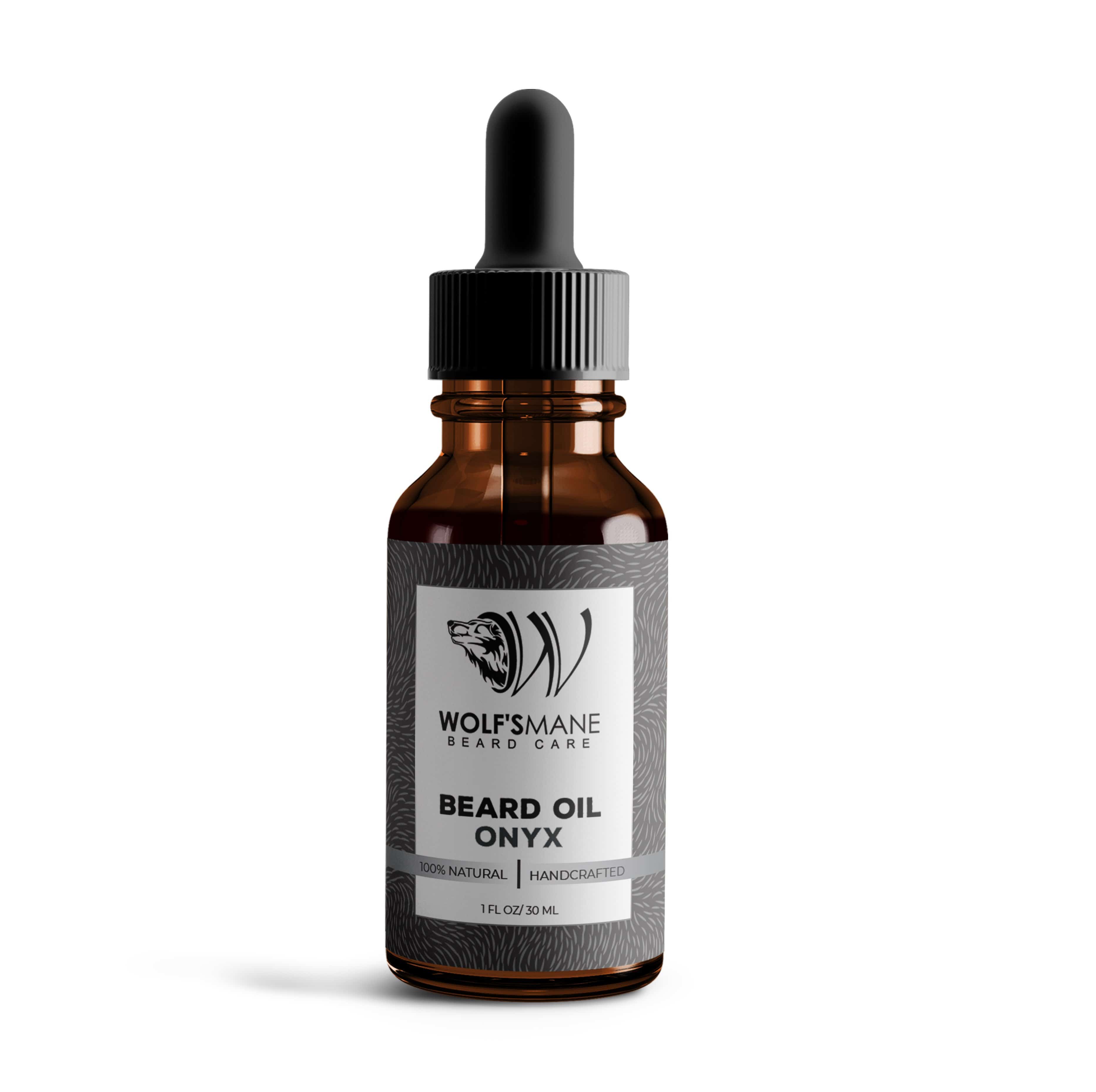
Every Wolf's Mane beard oil — Original, Onyx, Freedom, Cuban Leaf, Unscented — starts with jojoba oil, then builds out with vitamin E, apricot kernel oil, hemp seed oil, grape seed oil, and olive oil. Jojoba does the heavy lifting because it's the ingredient that keeps the blend feeling like skin absorbed it rather than like you rubbed oil into your face. The Shampoo & Conditioner uses the same jojoba base alongside African black soap, so the beard isn't stripped by the wash and then re-oiled from zero.
How to Actually Use It
- A few drops, not a puddle. Two to four drops is enough for a short-to-medium beard; longer beards may need six to seven.
- Apply to a damp beard. Right after washing, while the hair and skin can still absorb it, is when it does the most.
- Work it to the skin first, then the hair. Massage into the skin underneath with your fingertips before combing through the visible beard.
- Daily is fine. Because it absorbs rather than sitting on top, jojoba-based oil doesn't build up the way heavier products can.
Jojoba Oil vs. Argan Oil
Argan oil is the other carrier oil most often compared to jojoba in beard products. Both are genuinely good options, but they behave a little differently: argan oil is a true oil, richer and slightly heavier, while jojoba's wax-ester structure makes it lighter and faster-absorbing. Neither is objectively better — a beard oil built mostly around argan will feel slightly richer on the skin, while a jojoba-based blend, like Wolf's Mane oils, tends to feel lighter and less noticeable through the day. Vitamin E is often paired with either oil as a conditioning antioxidant, which is why it appears in the same ingredient lists.
It Doesn't Affect How Facial Hair Comes In
Worth repeating plainly: beard growth itself is set by genetics, not by any topical oil. What jojoba oil changes is how the hair and skin you already have look and feel — softer, less prone to the dry, wiry texture that makes a beard look unkempt regardless of how full it is. That's a real, meaningful difference day to day, just not the same claim as affecting how much facial hair grows in.
FAQ
Is jojoba oil the same as jojoba wax?
Yes — "jojoba oil" is the common name, but chemically it's a liquid wax ester, which is exactly why it behaves differently on skin and hair than a true plant oil like coconut or argan.
Will it make my beard oily-looking?
Used in the amounts above, no. Its structure is what lets it absorb rather than sit on the surface, which is the opposite of the greasy look heavier oils can leave behind.
Can I use it on my scalp too?
Beard oil is formulated for facial hair and the skin underneath it. If you want something for scalp hair, look for a product made for that purpose.