A well-groomed beard comes down to a handful of habits done consistently, not a ten-step regimen. Here's the actual routine — washing, drying, moisturizing, and the tools worth having — without the noise.
Why Beard Washing Is Different From Washing Your Hair
Scalp hair and beard hair aren't the same. Beard hair is coarser, the skin underneath produces less oil to begin with, and that skin sits directly on the face where regular shampoo and bar soap are more likely to cause dryness and irritation. A wash built for a beard cleans without taking away more oil than the skin can spare.
How Often to Wash
Two to three times a week is the right range for most men. Washing daily, especially with a product not made for facial hair, tends to leave skin drier and more prone to flaking rather than cleaner. On days you don't wash, a rinse with warm water is usually enough.
| Beard type | Suggested washing frequency |
|---|---|
| Thick or coarse | 2-3 times per week |
| Fine or thin | 1-2 times per week |
| Sensitive skin | 1-2 times per week, always followed by oil |
The Routine
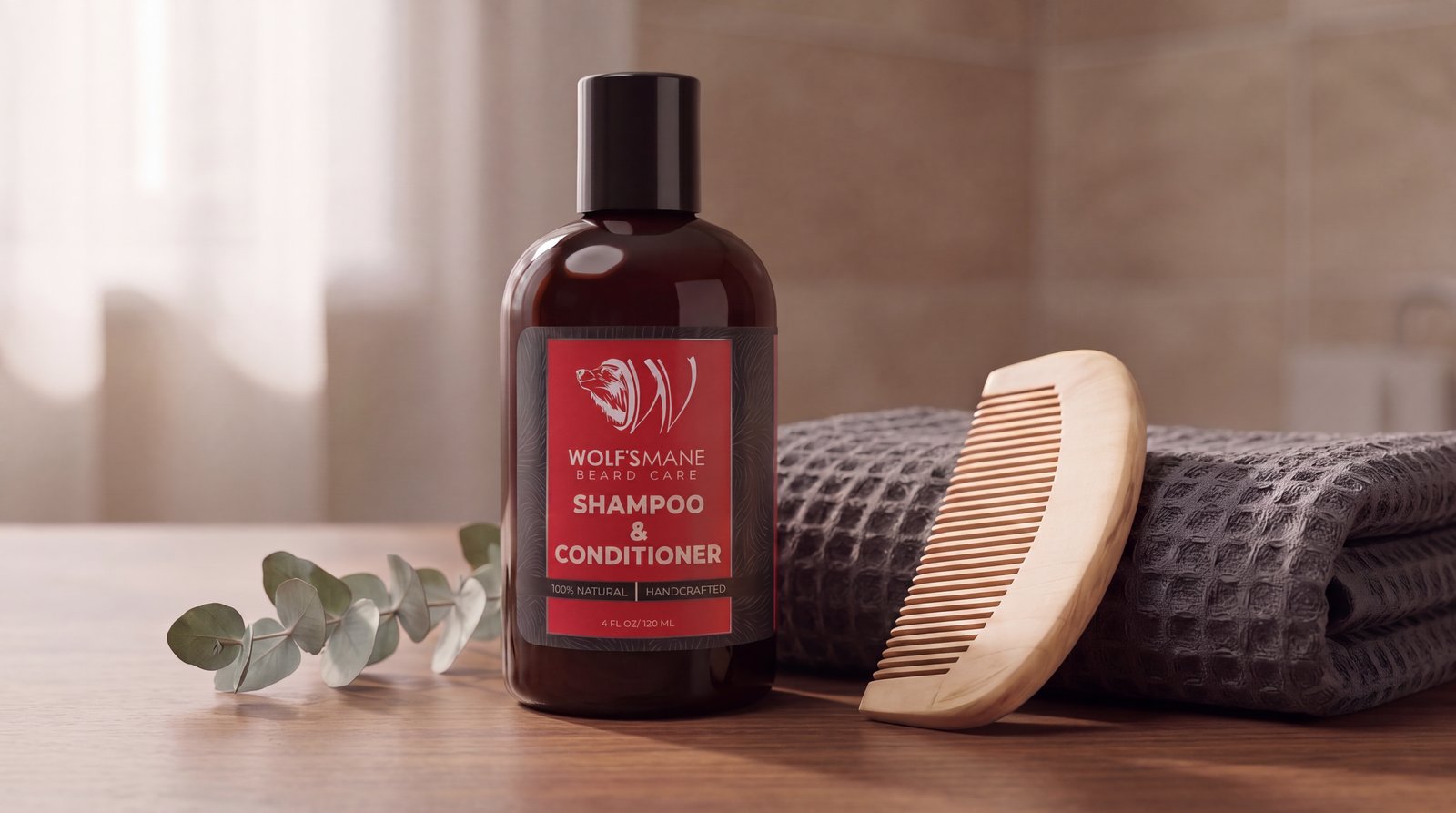
- Wet your beard thoroughly with warm — not hot — water.
- Work a beard-specific wash into your hands until it lathers, then massage it into your beard and the skin underneath, not just the surface of the hair.
- Rinse completely. Leftover product against the skin is a common cause of irritation.
- Pat dry with a towel. Gently squeeze rather than rub — rubbing roughs up the hair and can cause frizz.
- Apply beard oil while still slightly damp. This is when hair and skin absorb it best.
- Comb or brush through to distribute the oil evenly and train hair in one direction.
Drying, Without Overdoing It
Towel drying is the simplest approach — pat and squeeze, don't rub. If you use a blow dryer, keep it on a cool setting and hold it several inches away; heat applied directly and repeatedly is what leads to dry, brittle-feeling hair over time, not the dryer itself.
Tools Worth Having
- A wide-tooth comb for detangling, especially right after washing when hair is more prone to knots.
- A boar bristle brush for daily use — it distributes natural and applied oils evenly and helps train hair to lie in one direction.
- Sharp scissors or a trimmer for keeping stray hairs and split ends in check between full trims.
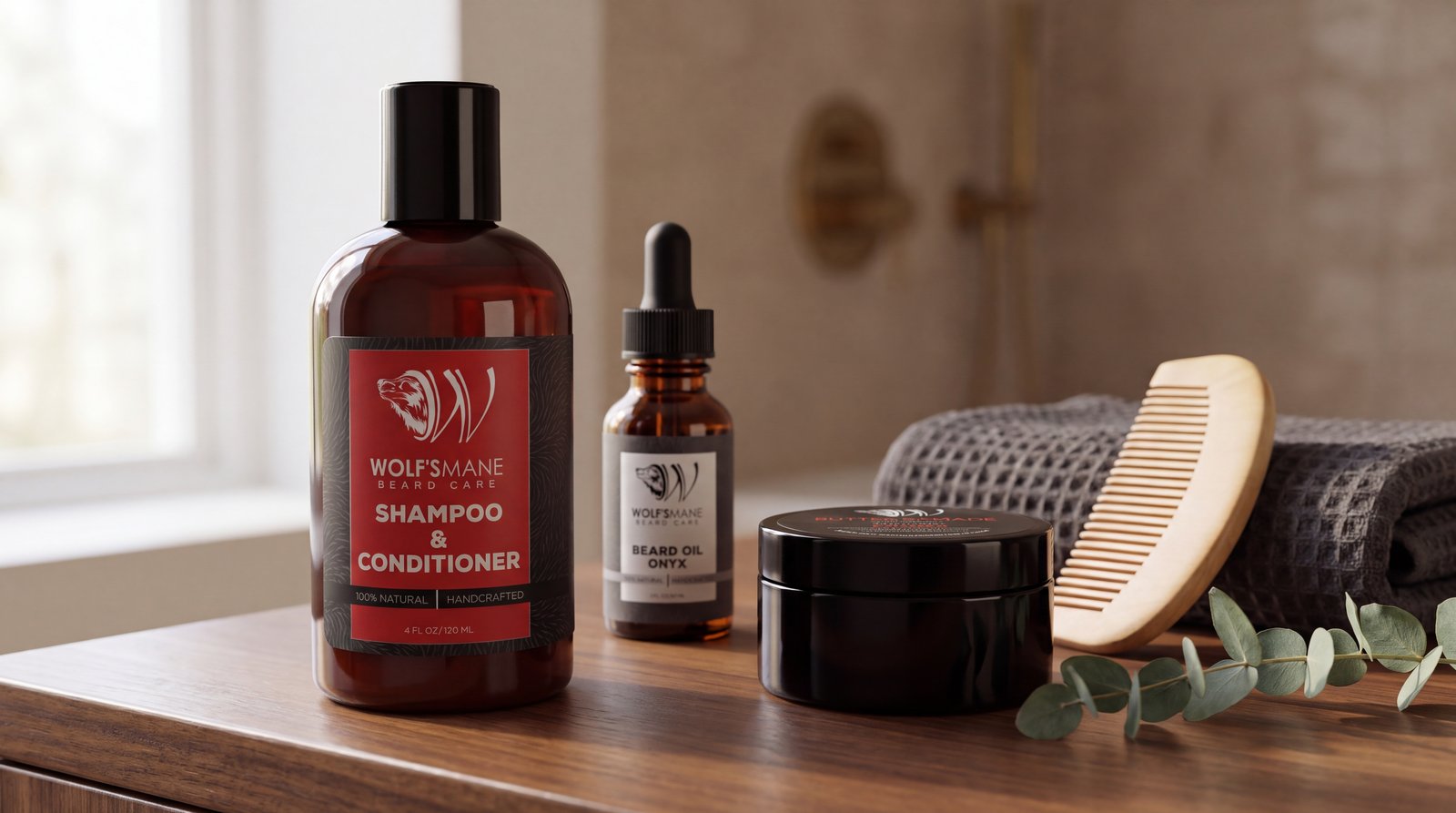
What's Actually in Wolf's Mane Shampoo & Conditioner
Water, African black soap, jojoba oil, vitamin E, apricot kernel oil, hemp seed oil, grape seed oil, olive oil, peppermint oil, eucalyptus oil, and xanthan gum — the full list, straight off the bottle. No sulfates stripping the beard bare, no mystery ingredients.
Staying Comfortable Day to Day
An itchy or flaky beard is usually telling you the hair and the skin underneath have dried out — not a sign that something is wrong beyond needing a moisture adjustment. If washing more gently and following every wash with oil doesn't help within a couple of weeks, or if you notice real redness or persistent irritation, that's worth a conversation with a dermatologist rather than another product.
Beard Conditioner vs. Beard Wash Alone
Wolf's Mane Shampoo & Conditioner cleans and conditions in a single step, so a separate conditioner isn't necessary for most men. If your beard still feels dry after washing, that's usually a sign to add more oil afterward, not to add a second conditioning product on top.
Trimming as Part of the Routine
Washing and oiling keep a beard comfortable, but trimming is what keeps it looking intentional. A quick trim every one to four weeks — depending on how fast your beard grows and how sharp you want the edges — removes split ends before they make the whole beard look coarse. Trim on a dry beard; wet hair looks longer than it actually is and throws off your judgment of length.
Comb, Brush, or Both
A wide-tooth comb is best right after washing, when detangling matters most. A boar bristle brush is better for daily use once the beard is dry — it distributes oil evenly and trains hair to lie in one direction. Many men use both: comb after washing, brush the rest of the week.
About Beard Dandruff Specifically
Flaking that shows up in a beard is usually simple dryness rather than a separate condition — the same washing and oiling routine above addresses it directly. If flaking comes with real redness or persistent irritation that doesn't improve within a couple of weeks, that's worth a conversation with a dermatologist rather than another product change.
FAQ
How often should I wash my beard?
Two to three times a week with a beard-specific wash is the general range. Daily washing, especially with regular shampoo, tends to dry the beard out rather than keep it clean.
Should I towel dry or blow dry?
Either works. Towel dry by patting and squeezing, not rubbing. If you blow dry, use a cool setting held a few inches away.
What tools do I actually need?
A comb, a brush, and something to trim with. That covers detangling, daily distribution of oil, and keeping the shape neat between full trims — everything else is optional.
What if my beard is still dry after switching products?
Give a consistent routine a couple of weeks before judging it. If dryness, flaking, or irritation persists beyond that, see a dermatologist — that's outside what a grooming routine is meant to address.