A long beard doesn't get there by accident, and it doesn't stay looking good by accident either. The routine that got you to a few inches isn't quite enough once you're past that — here's what actually changes.
What Changes Once a Beard Gets Long
Short beards forgive a lot. Long beards don't — every bit of dryness, every tangle, every stray hair shows up more once there's more beard to see it on. Longer beard hair also needs more moisture and conditioning than a shorter beard, simply because there's more surface area and the ends are older, drier hair that's been through more washes and more weather.
The Routine for a Long Beard
Wash Less Often, Not More
The instinct with more beard is often to wash more. Do the opposite — two to three times a week with a beard-specific wash is still the right range. Over-washing a long beard dries it out faster than a short one, because there's more hair holding less oil to begin with.
Oil Daily, and Reach the Skin
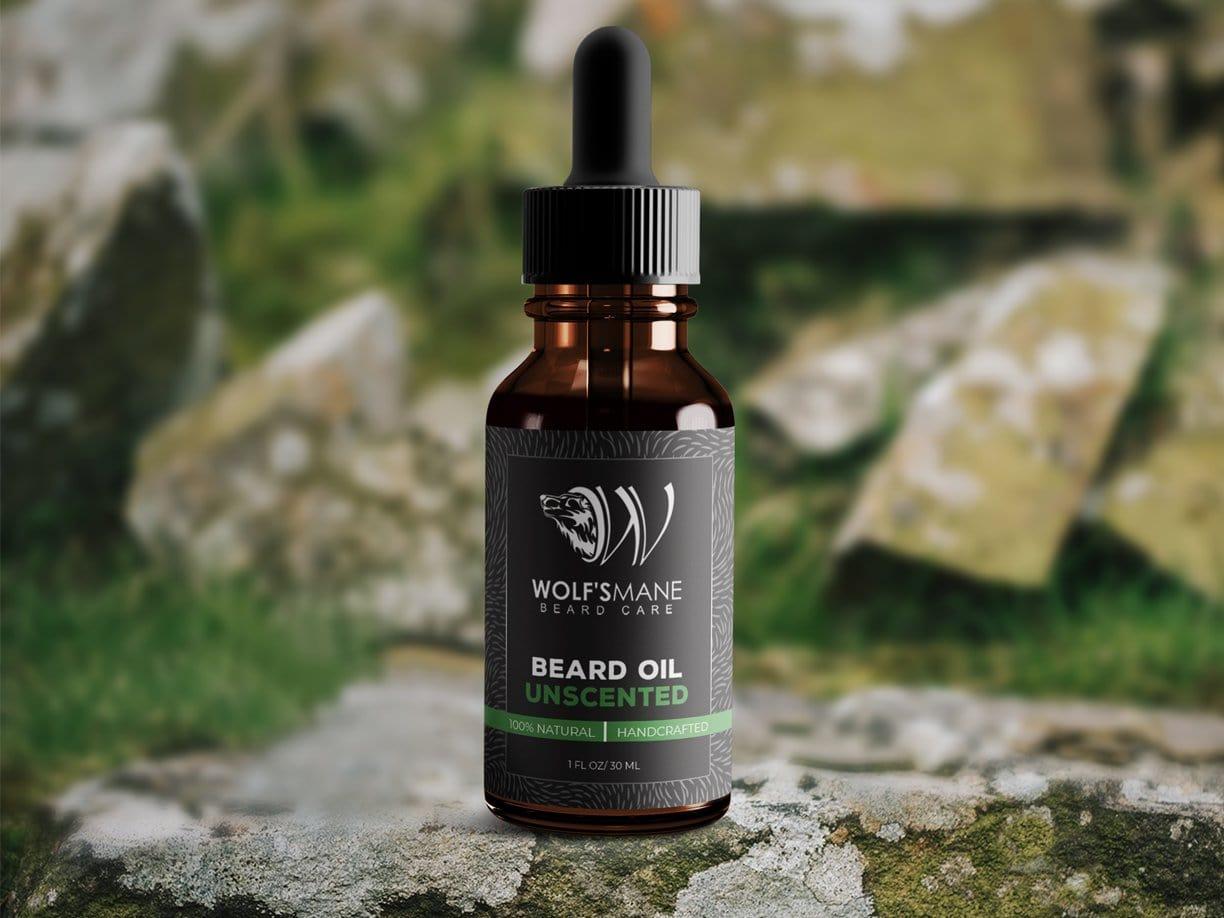
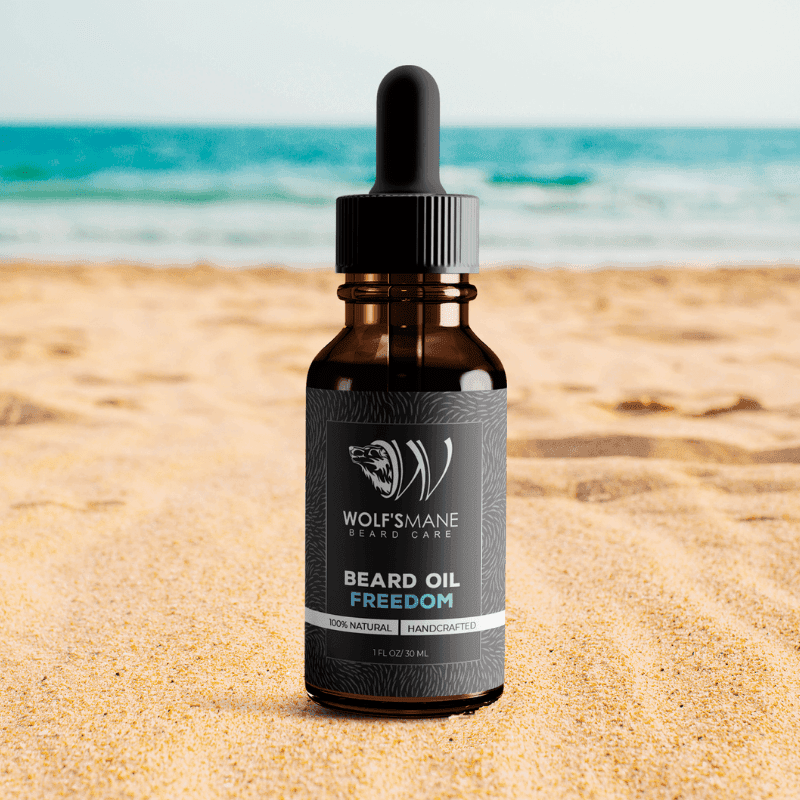
A few drops isn't enough once a beard gets long — most men need five to seven drops to properly cover the length. Work it into the skin first with your fingertips, then comb it through to the ends. The ends are the oldest, driest part of the beard and need the most attention.
Comb Before You Do Anything Else
Detangle with a wide-tooth comb before washing, before applying oil, and before trimming. Trying to work product through a tangled beard just moves the tangle around instead of fixing it.
Trim on a Schedule, Even While Growing
Growing a long beard doesn't mean skipping trims — it means trimming less aggressively. A light trim every few weeks removes split ends and uneven growth without taking meaningful length off.
The Neckline Matters More on a Long Beard
A defined neckline is what keeps a long beard looking intentional instead of just unshaped. As a starting point, the neckline sits about two finger-widths above the Adam's apple, curving up toward the ears — adjust from there based on your own jawline and how you want it to sit.
What's Actually Helping
| Step | Why it matters for a long beard |
|---|---|
| Wash 2-3x/week | More washing than that strips oil a longer beard can't spare |
| Oil daily, 5-7 drops | Covers the length properly; short-beard amounts won't reach the ends |
| Comb before washing/oiling/trimming | Removes tangles before they interfere with the rest of the routine |
| Light trim every few weeks | Keeps split ends in check without slowing growth |
Tools That Matter More on a Long Beard
A wide-tooth comb earns its keep on a long beard more than any other tool — daily detangling prevents the small knots that turn into real tangles by week's end. A boar bristle brush distributes oil from root to end, which matters more here since the ends are the oldest, driest part of the hair. A quality trimmer with adjustable guards makes the periodic light trims easier to judge consistently.
Popular Long Beard Styles
Full, Garibaldi, and Bandholz are the styles most associated with longer facial hair, each differing mainly in how the ends are shaped and whether the mustache connects into the beard. None require different daily care — the wash, oil, and comb routine above applies regardless of which shape you're working toward. Style is really just how you trim what the routine keeps healthy.
Beard Conditioner as a Weekly Addition
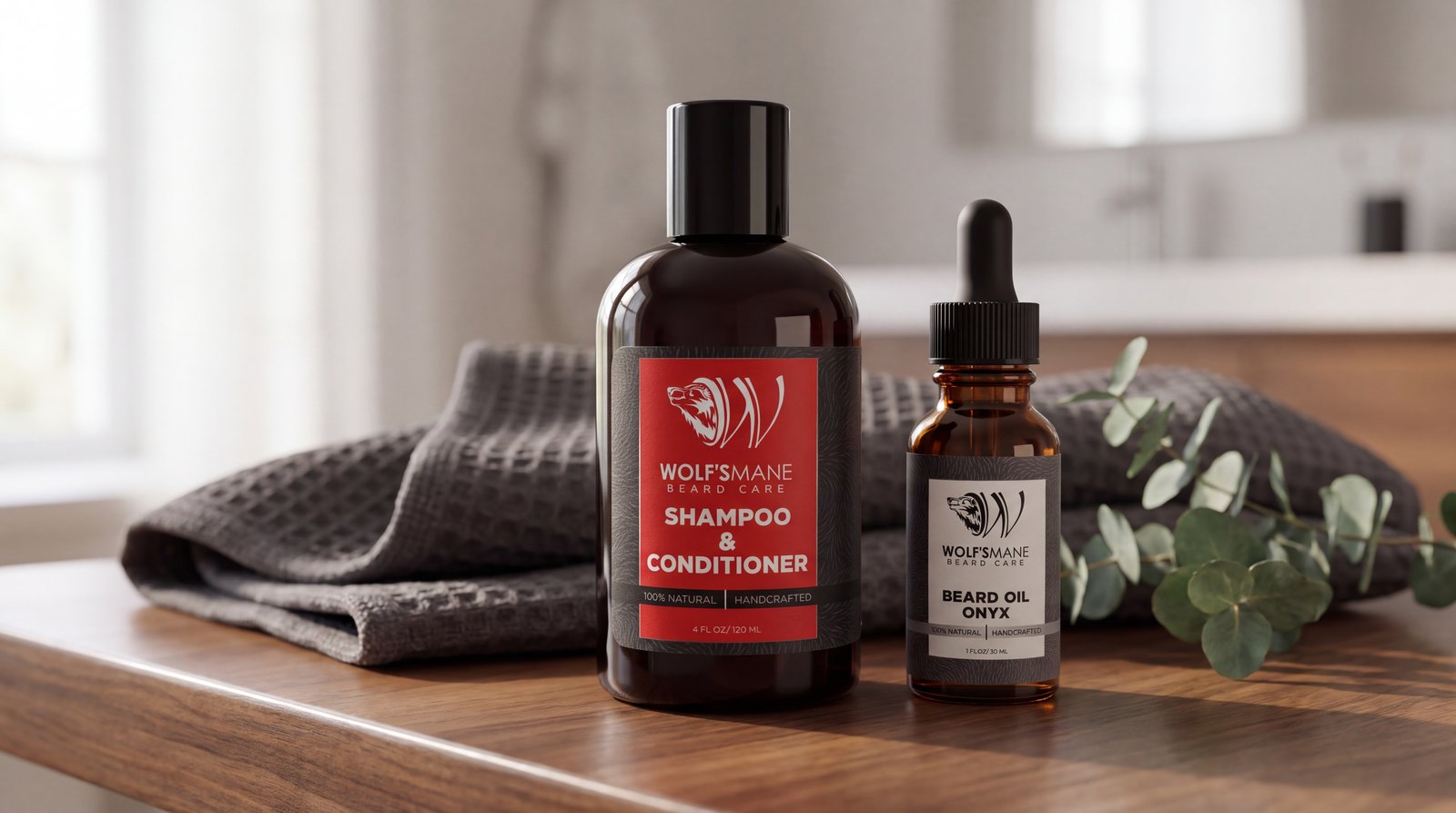
Some men add a beard conditioner during washing, on top of daily oil, especially for longer beards that need extra softening. It's optional rather than essential — if daily oil already keeps your beard manageable, there's no need to add another step.
FAQ
How is caring for a long beard different from a short one?
Mostly in amount and attention to the ends — more oil, more careful detangling, and a defined neckline matter more once there's more beard to see.
Should I stop trimming while growing it out?
No — a light trim every few weeks removes split ends without taking real length off. Skipping trims entirely usually makes a beard look scraggly rather than fuller.
How much oil should a long beard actually use?
Five to seven drops is typical, worked into the skin first and then combed through to the ends. Short-beard amounts (one to two drops) won't cover the length.