As the air turns cooler and drier, your beard feels it before you do. Fall doesn't need a whole new routine — it needs the same routine, adjusted for less humidity in the air.
Why Fall Is Hard on a Beard
Lower humidity pulls moisture out of hair and skin alike. Combined with the first blast of indoor heating, a beard that felt fine all summer can start feeling dry, brittle, and prone to static almost overnight. None of that means anything is wrong with your beard — it's just a drier environment than it was a month ago.
What Actually Changes
- Oil daily, not occasionally. If you were only using beard oil a few times a week in summer, fall is when it's worth making it a daily habit.
- Ease off the heat. Indoor heating dries the air further. If you can, keep the thermostat moderate and consider a humidifier in the room you spend the most time in.
- Watch your washing frequency. The same 2-3 times a week still applies — resist the urge to wash more just because the air feels different.
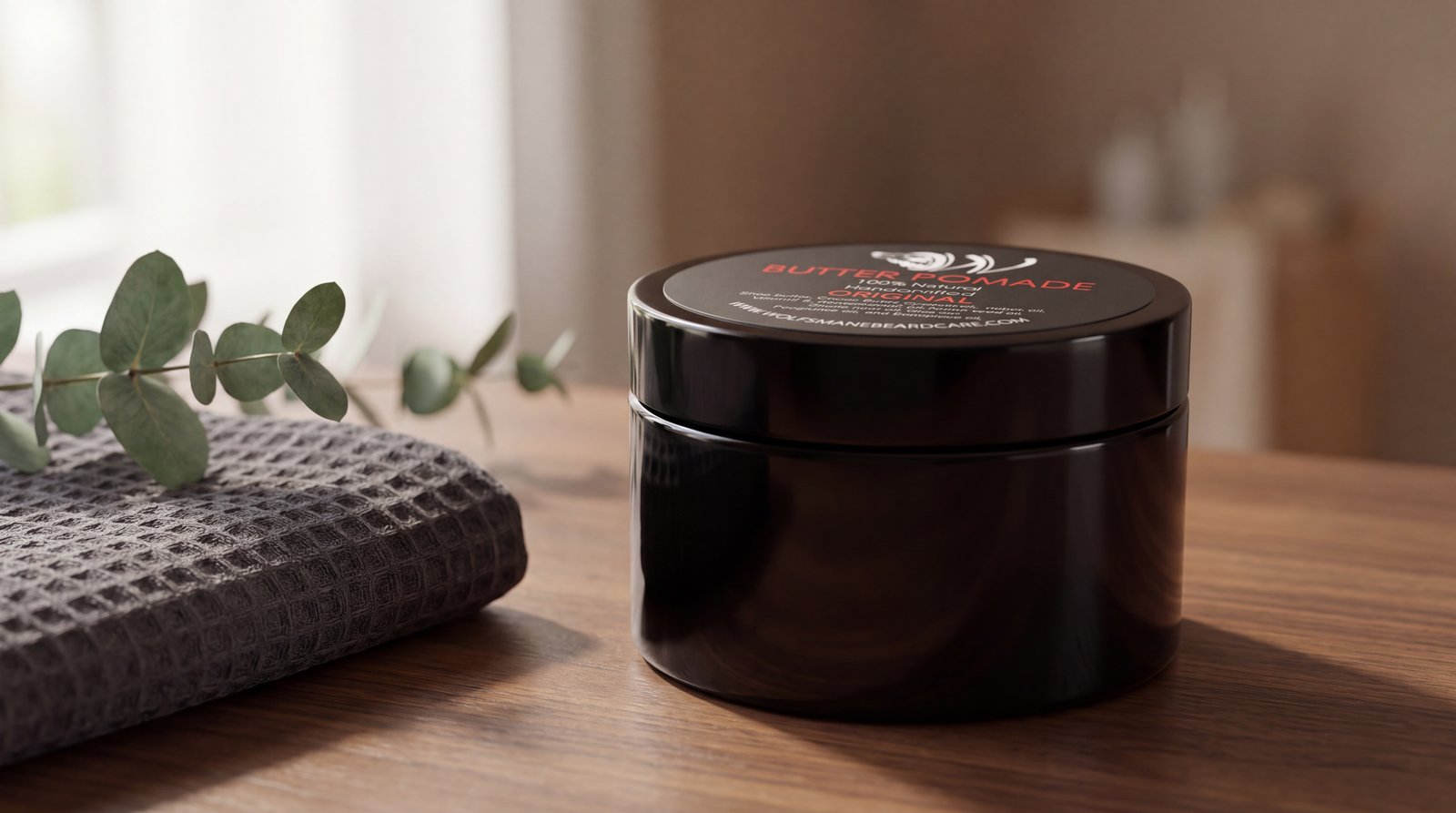
- A richer product for coarser beards. If your beard tends to run dry or coarse, this is a good season to lean on Butter Pomade alongside your oil rather than oil alone.
A Simple Fall Routine
- Wash 2-3 times a week with a beard-specific wash — no more than that.
- Apply beard oil daily, while the beard is still slightly damp after washing or a splash of water.
- On drier days, follow oil with a small amount of butter pomade to seal in moisture and add a light hold.
- Brush or comb daily to work product through evenly and keep static down.
- Trim on your usual schedule — dry air doesn't change how fast your beard grows, but split ends show up faster in dry conditions.
Picking a Fall Style
Fuller styles tend to work well once the weather turns — there's more beard to provide warmth, and a fuller shape suits heavier fall and winter layers. If you've been keeping things shorter through summer, this is a reasonable time of year to let it grow out a little before your next trim.
What's Actually in a Good Fall Beard Oil Blend
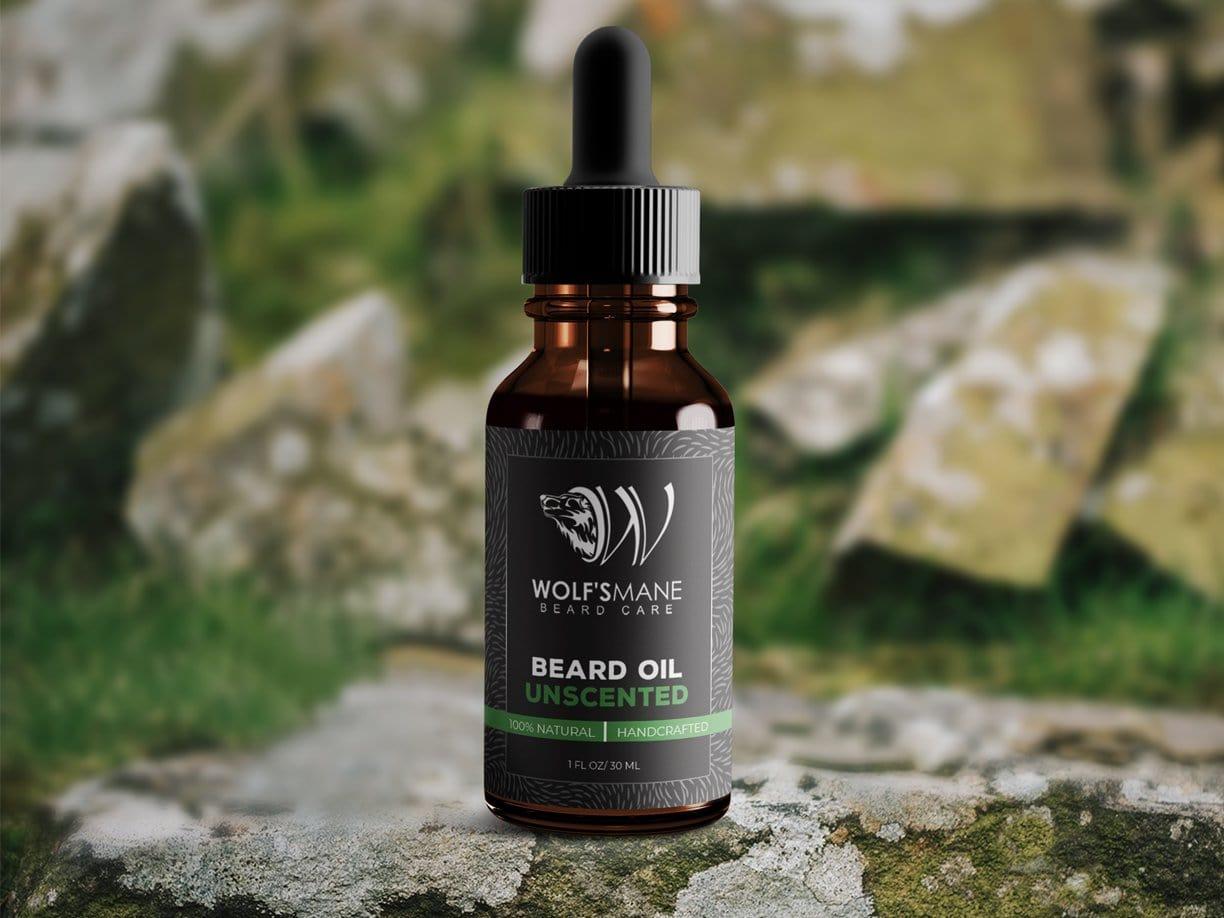
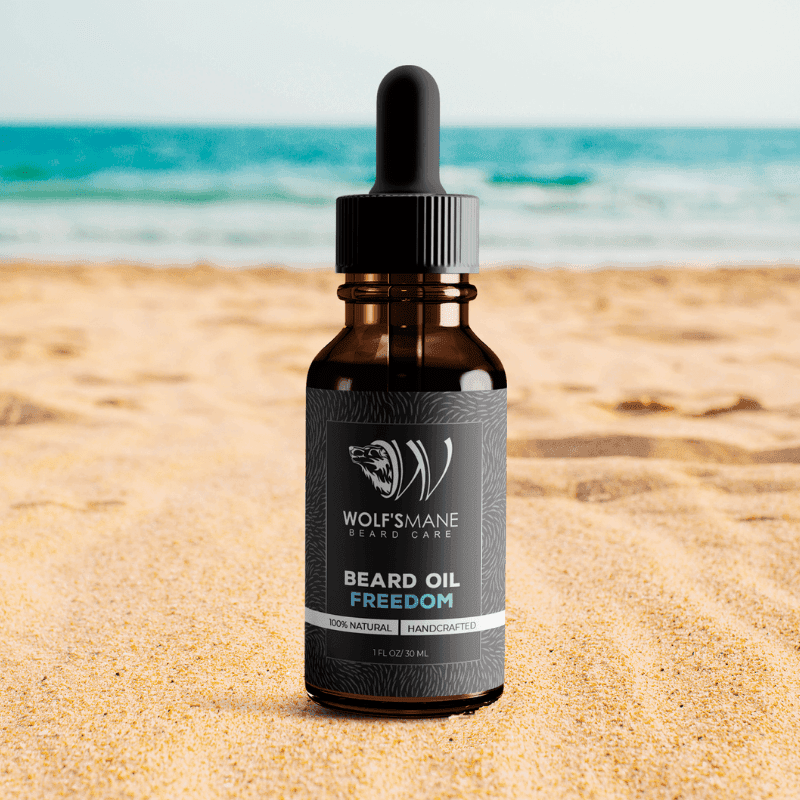
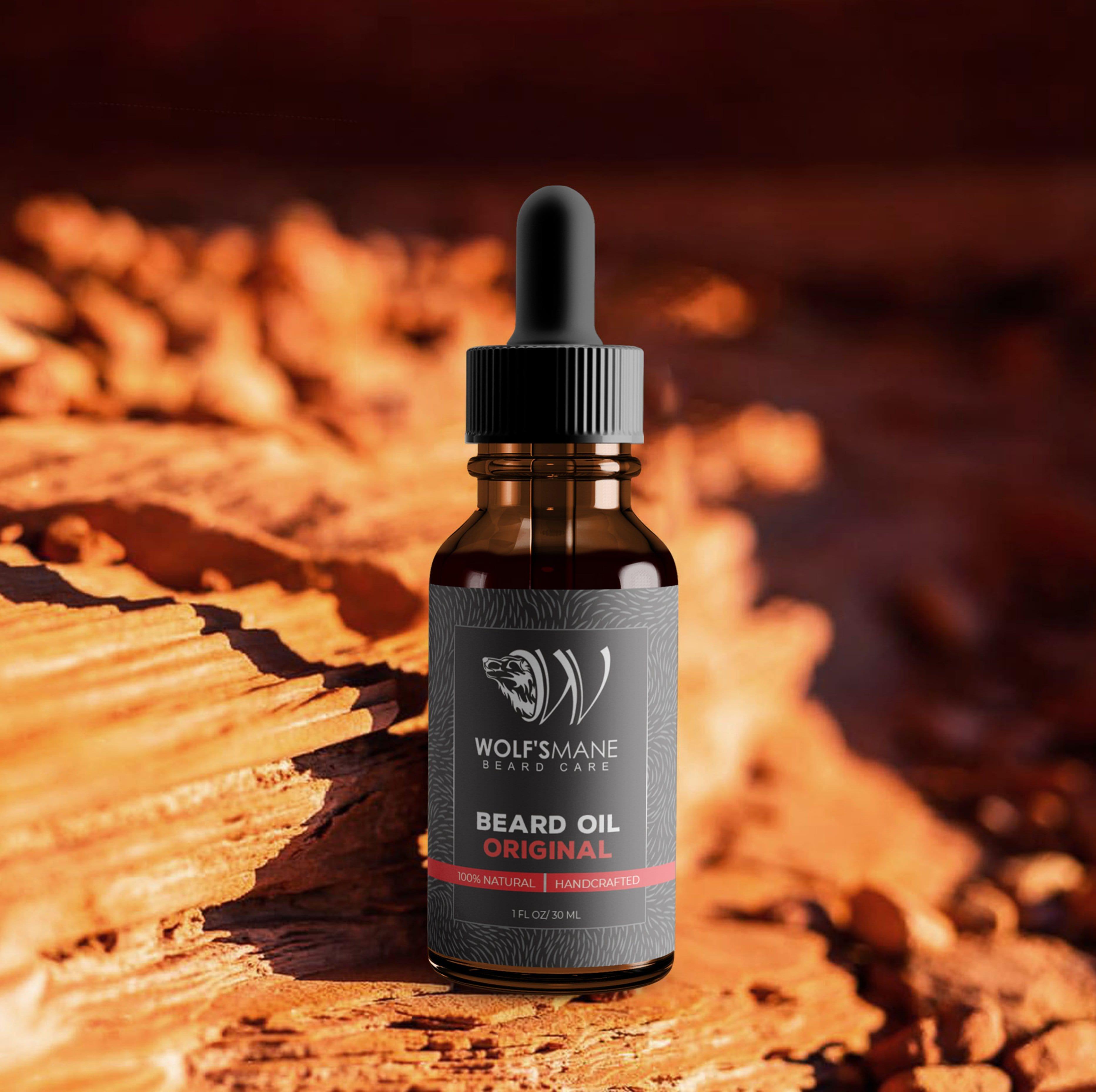
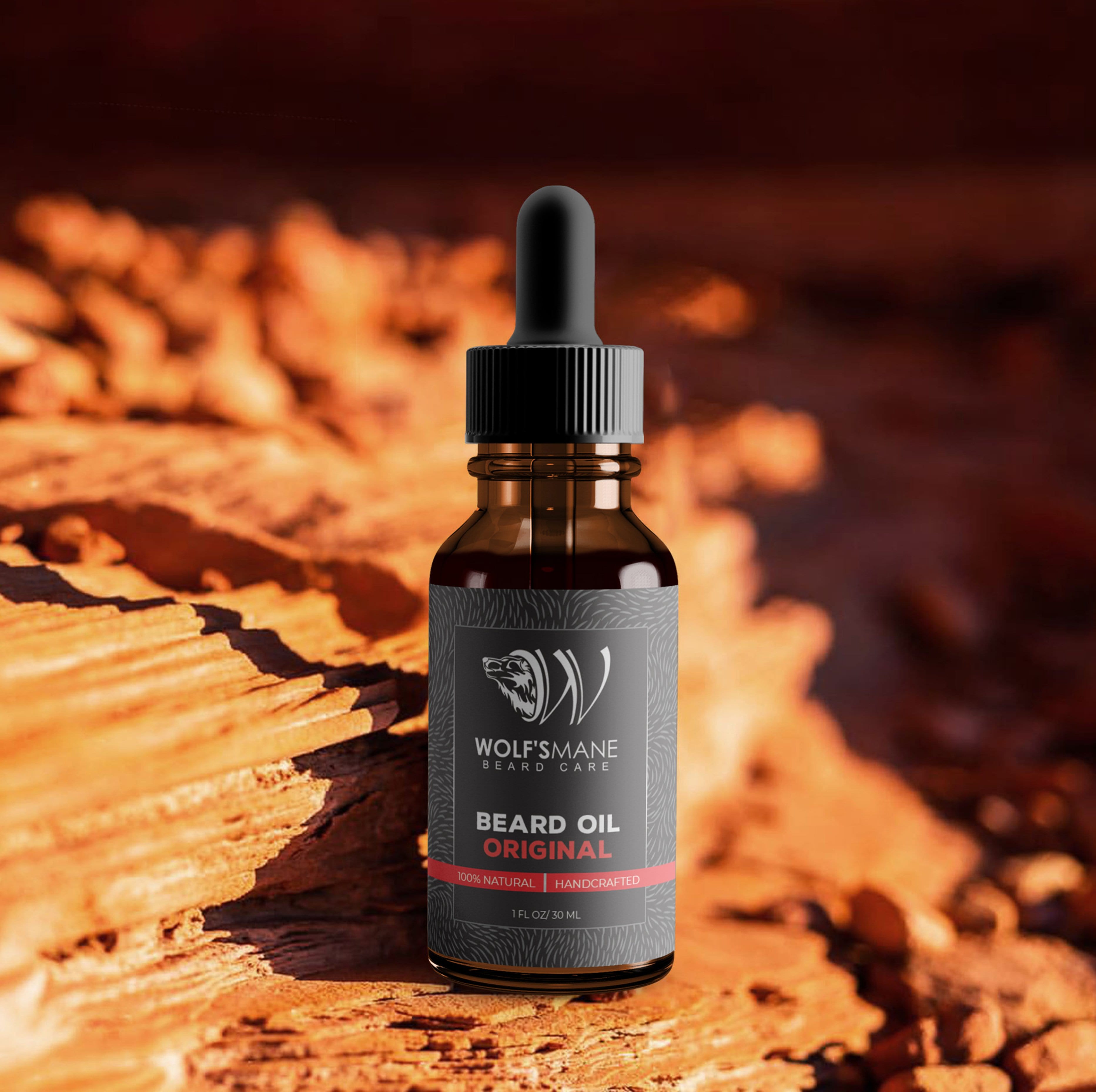
Look for a blend built around real carrier oils — jojoba oil for lightweight conditioning, sweet almond oil and grapeseed oil for added softness without heaviness. These oils absorb into dry, cold-stressed skin more readily than heavier single-oil products, which matters most exactly when fall air starts pulling moisture out of your beard. A warm, woodsy scent — sandalwood or similar — is a nice seasonal touch, but the actual oil blend underneath is what does the conditioning work.
A Note on Dryness This Time of Year
Dryness is the main complaint men bring up as the seasons shift. It shows up as a scratchy feel, visible flaking, or a beard that looks duller than it did in summer. None of that means anything is wrong — it's the predictable result of lower humidity and the season's first blast of indoor heat. Daily oil, applied while the beard is still slightly damp, is the most direct way to counter it.
FAQ
Do I really need to change anything for fall?
Mostly just frequency and consistency — daily oil instead of occasional, and paying attention to indoor heating. The core routine (wash, oil, comb, trim) doesn't change.
Why does my beard feel more brittle in fall?
Lower outdoor humidity plus dry indoor heat pulls moisture from hair faster than in summer. Daily oil is the most direct way to counter it.
Should I switch products entirely for the season?
Not necessarily — if oil alone has kept your beard comfortable, keep using it daily. Adding a butter pomade on top is worth trying if you notice more dryness than oil alone is handling.